Ask where wealthy international buyers actually put their money on the Turkish Riviera and the answer is more concentrated than the coastline suggests. Between Bodrum and Kaş, five markets absorb the large majority of serious foreign capital, and each attracts a distinct buyer. Since Law No. 7582 introduced the 20-year exemption on foreign income, the question has sharpened: buyers are no longer choosing a holiday base, they are choosing where to live as tax residents. That changes what matters.
Yalıkavak: the benchmark
Yalıkavak is the premier luxury market on the Bodrum peninsula and the most internationally recognisable address in southwest Türkiye. The anchor is its superyacht marina, ringed by restaurants, beach clubs and designer retail that operate at a level the rest of the coast does not attempt. Buyers are UK and European entrepreneurs, Gulf families and wealthy Turks, often side by side in the same developments.
Pricing reflects that depth of demand: hillside villas start around the EUR 1 million mark and waterfront estates trade well into eight figures. Yalıkavak is also where the branded-residence wave has landed, with The Ritz-Carlton Residences on a private peninsula nearby and the Bvlgari resort and mansions project under way on the peninsula, a signal of where global operators think this market is heading.
Türkbükü: privacy over yield
Göltürkbükü, on the peninsula’s north shore, is routinely called the St Tropez of Türkiye, and for once the label fits. This is where the Turkish establishment summers, where the beach clubs are booked by name and where waterfront homes come with private jetties. Supply is structurally limited: the bay is small, the planning envelope tight and owners rarely sell.
Buyers here are not optimising rental yield. They are buying privacy, position and a social season. Entry pricing sits below Yalıkavak’s headline numbers, but the true waterfront trades rarely and quietly, often without ever being listed. It is the most relationship-driven market on this coast.
Göcek: quiet wealth, protected supply
Göcek is the connoisseur’s choice. Six marinas serve a bay system that ranks among the finest sailing water in the Mediterranean, and the town has grown into the home port of choice for owners who keep their boats in Türkiye year-round. The crowd is wealthy but understated: fewer beach clubs, more teak decks.
What makes Göcek structurally interesting is the Fethiye-Göcek Special Environmental Protection Area, in force since 1988, which restricts new development across the entire bay. Supply cannot expand the way it has elsewhere on the coast, and owners tend to spend months there rather than weeks. For buyers thinking in decades, which is exactly what the 20-year regime encourages, that scarcity is the point.
Kalkan: the British villa market
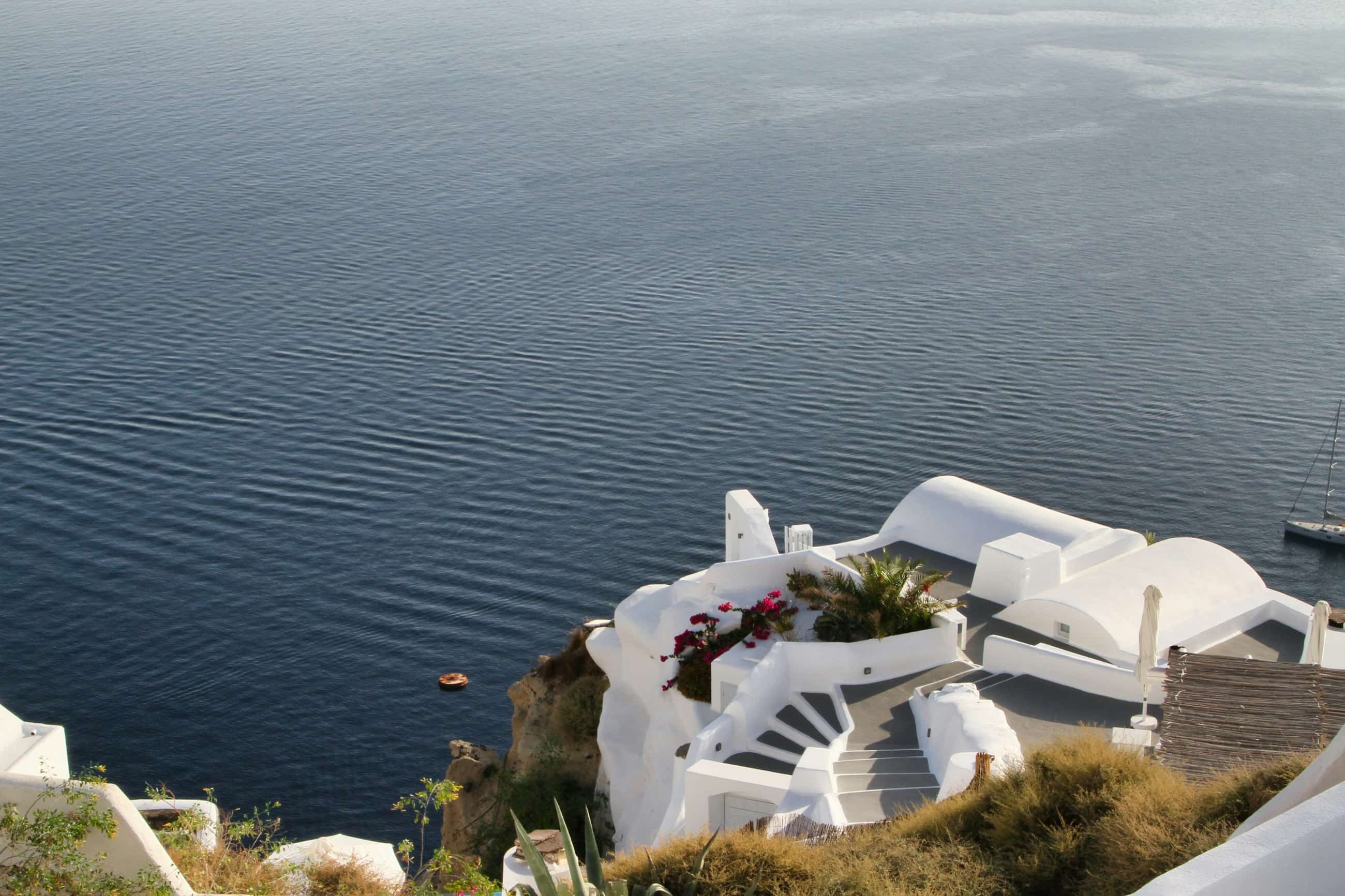
Kalkan runs on a different engine. This is the most British market in Türkiye, built around white-washed hillside villas with infinity pools and unobstructed sea views, stacked on terraces above a harbour town that has kept its scale. Prime villas trade from the high six figures into the low millions, below the Bodrum peninsula’s top end.
The rental economics are the strongest on this coast: a well-run sea-view villa books solidly through a long summer season to UK holidaymakers. That makes Kalkan the natural choice for buyers who want a lifestyle asset that also performs, rather than a trophy that sits empty. It suits the investor side of the new-resident profile particularly well.
Fethiye: depth and value
Fethiye is the largest and most liquid of the five markets, home to the biggest British community on the coast and a broad base of German, Dutch and Russian owners. The submarkets do different jobs: Karagözler for the marina and sailing crowd, Çalış for rental yield, Ovacık and Hisarönü for holiday-home demand under Babadağ mountain.
The buyer profile is upper-middle to affluent rather than ultra-high-net-worth, and that is Fethiye’s strength: demand is consistent, resale is realistic and pricing leaves room. For new tax residents who want a genuine year-round town, with hospitals, schools and a working economy rather than a resort that closes in November, Fethiye is often the practical answer.
How the tax regime changes the map
The 20-year exemption rewards genuine residency, and that quietly reorders the criteria. A market that is superb for three weeks in August is not automatically right for 200 days a year. Year-round infrastructure, winter community and flight connectivity through Bodrum and Dalaman start to weigh as heavily as the view.
The purchase mechanics matter too. Non-resident buyers paying in foreign currency can qualify for a VAT exemption on new builds from a developer, and property of USD 400,000 or more opens the citizenship-by-investment route. Which market fits depends on how you will actually live: the marina season in Yalıkavak, the quiet bay in Göcek or the working town in Fethiye. That conversation, before any viewing, is where we start.
Insights sind allgemeine Informationen, keine Steuerberatung. Zahlen geben den Rechtsstand zum Veröffentlichungsdatum wieder. Holen Sie vor jeder Entscheidung persönliche Beratung ein.